

































The Ultimate Guide to Organic Shopping on a Budget
Organic on a Budget — Is It Possible?
Many shoppers assume organic food is exclusively for those with large grocery budgets. The truth is, with the right knowledge and strategies, you can dramatically increase your organic intake without overspending.
The Dirty Dozen vs. The Clean Fifteen
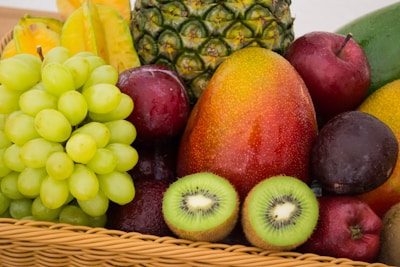
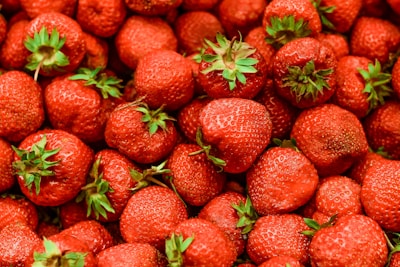
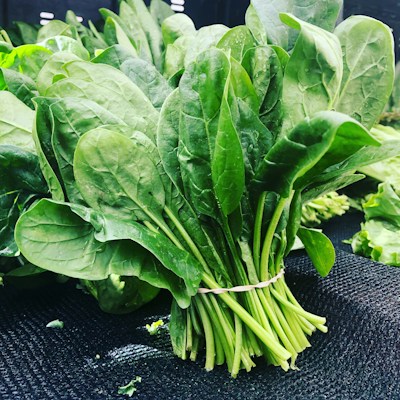
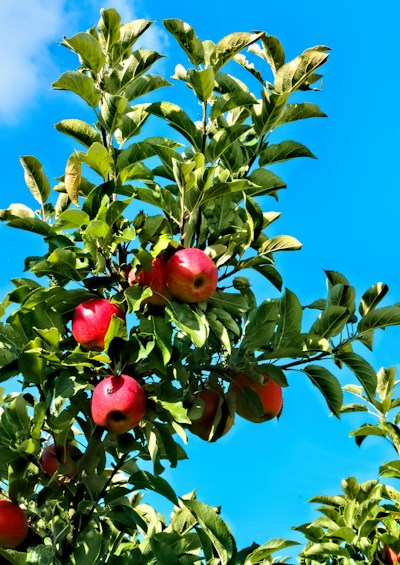
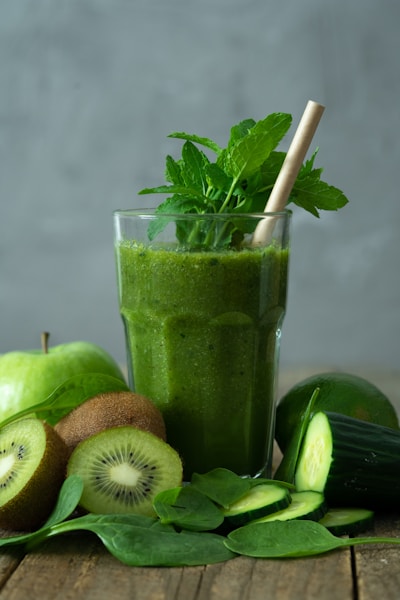
The Environmental Working Group publishes an annual list of the most and least pesticide-contaminated produce. Prioritize buying organic for the Dirty Dozen — items like strawberries, spinach, apples, and grapes. For the Clean Fifteen — including avocados, sweet corn, pineapples, and onions — conventional is generally safe.
Buy in Bulk
Organic grains, legumes, nuts, and seeds are dramatically cheaper when bought in bulk. Many health food stores have bulk bins where you pay only for what you need. Store extras in airtight containers and you'll have nutritious pantry staples for months.
Join a CSA (Community Supported Agriculture)
CSA boxes deliver a weekly selection of fresh, local, often organic produce directly from farms. The per-item cost is typically 30–50% lower than buying the same items at a grocery store. It also introduces you to vegetables you might never have tried otherwise.
Shop at Farmers' Markets Near Closing Time
Vendors often discount remaining produce in the last hour of a farmers' market rather than haul it back. This is a great way to score organic deals — just be flexible about what you buy.
Grow Your Own
Even a small balcony garden can produce meaningful quantities of tomatoes, salad greens, herbs, and peppers. Starting from seed is extremely low cost. Homegrown is as organic as it gets.
Compare Unit Prices
Big organic brands aren't always the best value. Store-brand organic lines from major retailers are often 20–30% cheaper for the same quality. Always compare price per ounce or pound rather than per package.
Reduce Food Waste
The average household wastes 30% of the food it buys. Cutting waste effectively lowers your real cost per meal. Use vegetable scraps for stock, freeze items before they go bad, and plan meals around what's already in the fridge.