
















Understanding Food Labels: What to Look For
Why Food Labels Matter
Walking down a grocery store aisle, you're bombarded with claims: "all natural", "low fat", "multigrain", "superfood". These marketing terms are largely unregulated and designed to sell products, not inform consumers. Knowing how to read the actual nutrition facts panel and ingredient list puts you back in control.
Start with the Ingredient List
Ingredients are listed in descending order by weight. If sugar (under any of its 50+ names) appears in the first three ingredients of a "healthy" product, it's not as healthy as it claims. Look for whole food ingredients you recognize. Short ingredient lists are generally a good sign.
The Many Names of Sugar
Manufacturers split sugar across multiple ingredient names to push it further down the list. Watch for: high fructose corn syrup, cane juice, dextrose, maltose, sucrose, agave nectar, brown rice syrup, and molasses. If several appear in the same product, the total sugar content is likely very high.
Serving Size Is Tricky
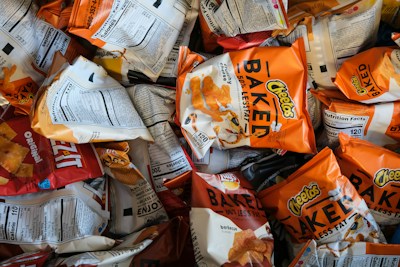
The nutrition facts panel is per serving — not per package. A small bag of chips might list 150 calories, but if there are 2.5 servings in the bag and you eat the whole thing, that's 375 calories. Always check the serving size before assessing the numbers.
"Natural" Means Almost Nothing
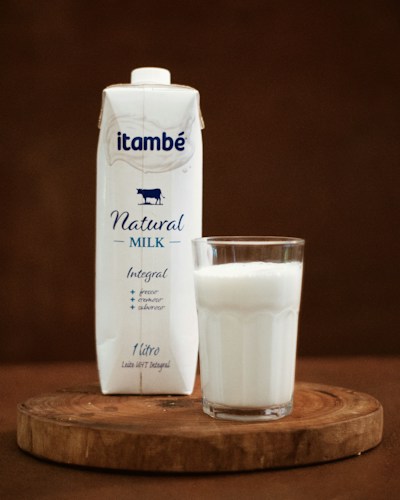
The FDA has no formal definition for "natural" on food labels. Highly processed products with artificial additives can legally display this claim. Focus on the ingredient list rather than front-of-pack marketing language.
Organic Certification
USDA Organic is a meaningful, regulated certification. Products labeled "100% Organic" must contain entirely organic ingredients. "Organic" means at least 95% organic. "Made with Organic Ingredients" means at least 70%. "Natural" with no organic seal means nothing in terms of pesticide use.
Hidden Sodium
Processed foods are loaded with sodium even when they don't taste salty. Bread, breakfast cereals, and canned goods are major contributors. The daily recommended sodium limit is 2,300mg. Check labels and aim for items with under 140mg per serving to qualify as "low sodium".
The Bottom Line
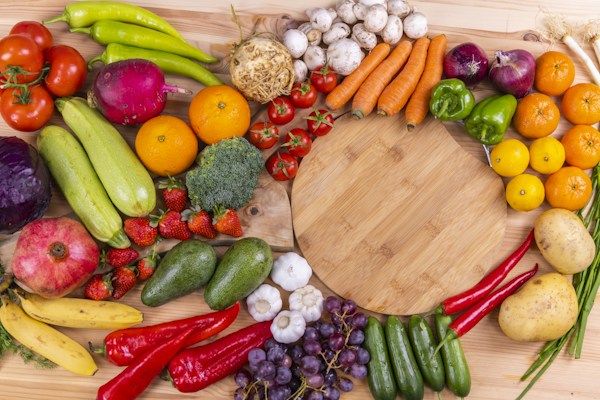
No label or certification replaces whole, minimally processed food. Use labels as a tool when buying packaged items, but build your diet primarily around fresh produce, whole grains, legumes, and lean proteins that need no label at all.